





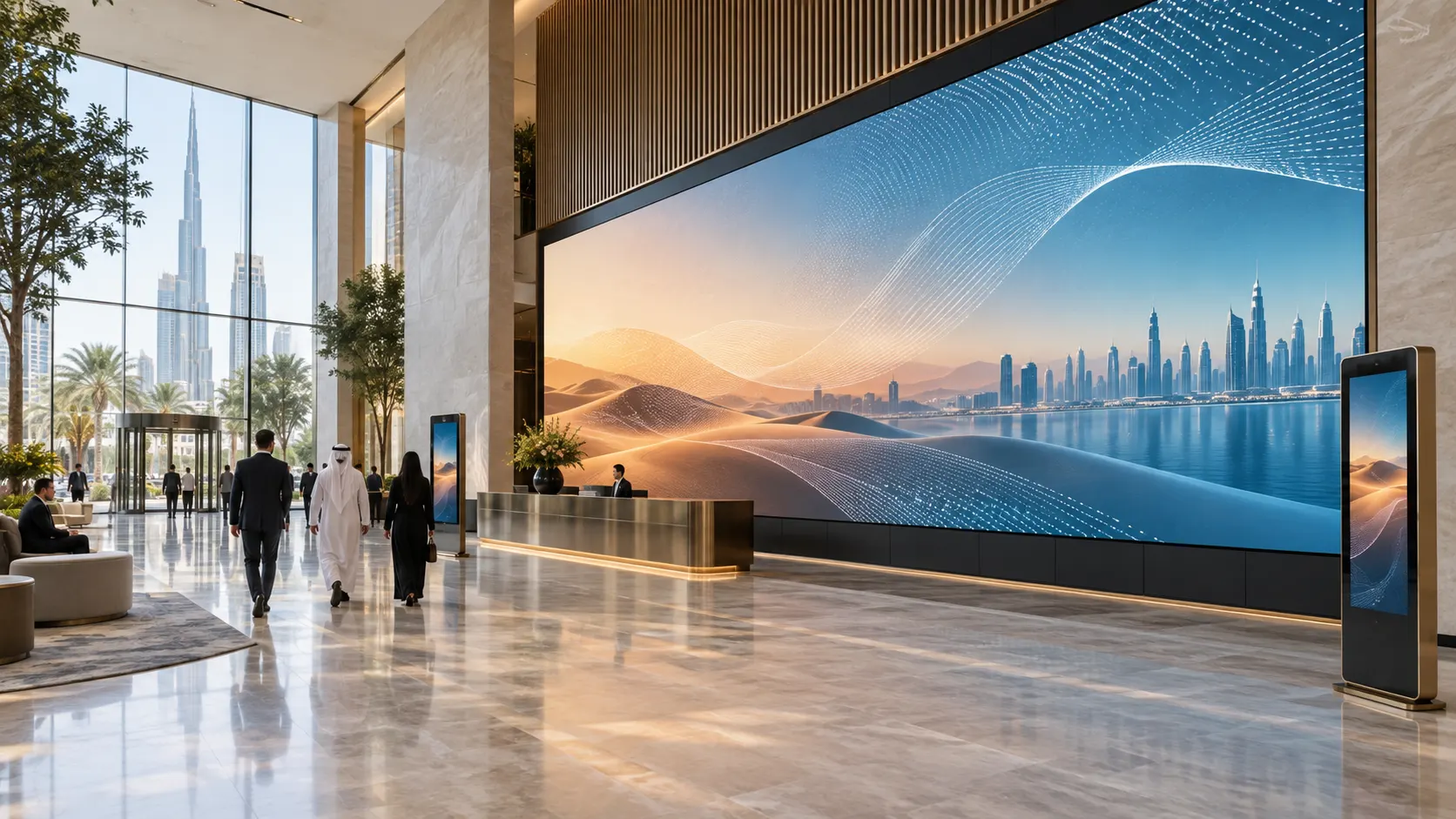
A bigger picture, planned down to the pixel.
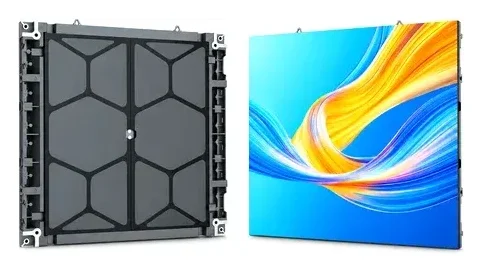
- LED or LCD surface, with a documented pixel map.
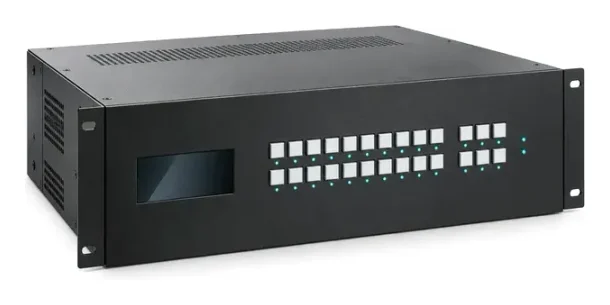
- Source connections, scaling and the required composition functions.
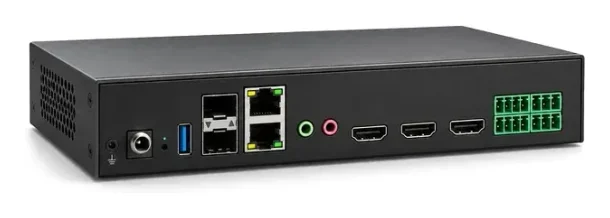
- Data routes, controls and supported status reporting.
Fig. C01 · 10 types
LED displays
389 products
Fig. C02 · 2 types
LCD displays
41 products
Fig. C06 · 1 type
Digital signage
37 products
Fig. C04 · 7 types
Video switching
210 products
Fig. C05 · 2 types
AV over IP
192 products
Fig. C07 · 5 types
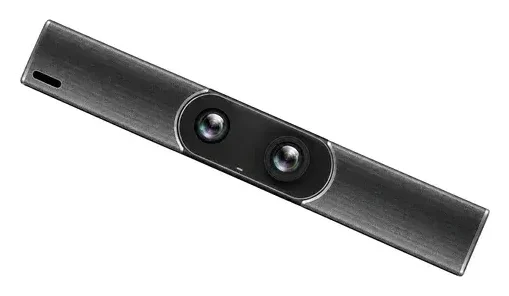
Video conferencing
193 products
Fig. C08 · 1 type
Conference systems
54 products
Fig. C09 · 9 types
Installed sound
386 products
Fig. C10 · 2 types
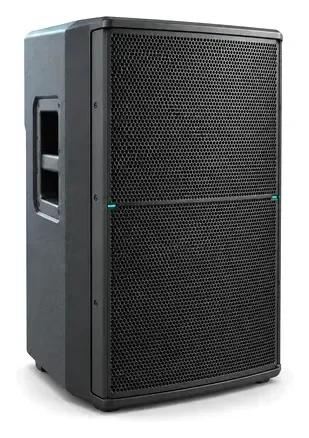
Live sound
10 products
Fig. C11 · 7 types
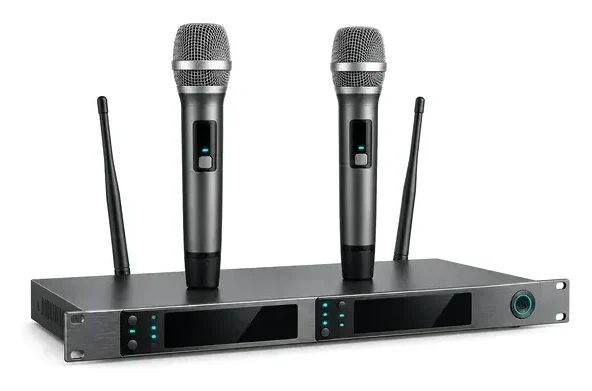
Microphones and RF
2,420 products
Fig. C12 · 10 types
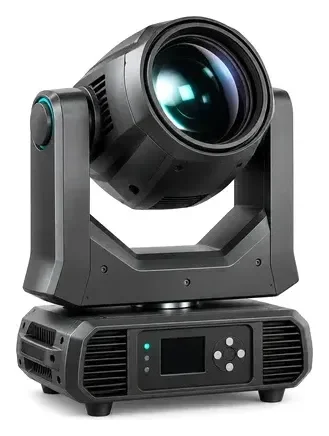
Lighting
648 products
Fig. C13 · 1 type
Lighting control
183 products
Fig. C14 · 3 types
Cameras and streaming
147 products
Fig. C15 · 2 types
AV control
11 products
Fig. C16 · 1 type
AV networking
2 products
Fig. C17 · 4 types
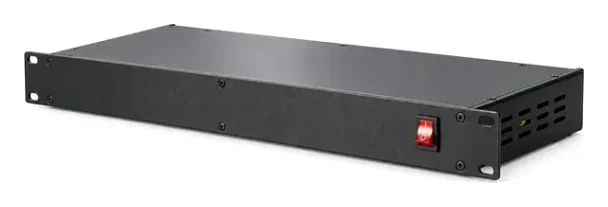
Racks, power and cables
884 products
Fig. C18 · 5 types
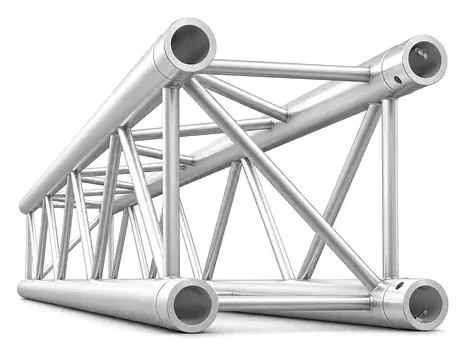
Mounts and rigging
1,146 products
A freestanding video wall gives the college a large presentation surface.
A tiled video wall stands on a steel support structure in the college's presentation space. The display combines individual flat panels into one broad image above a shallow platform.
The open area in front of the screen provides a setting for talks, demonstrations and shared viewing. The installation gives teaching and event content a clear focal point within the existing room.
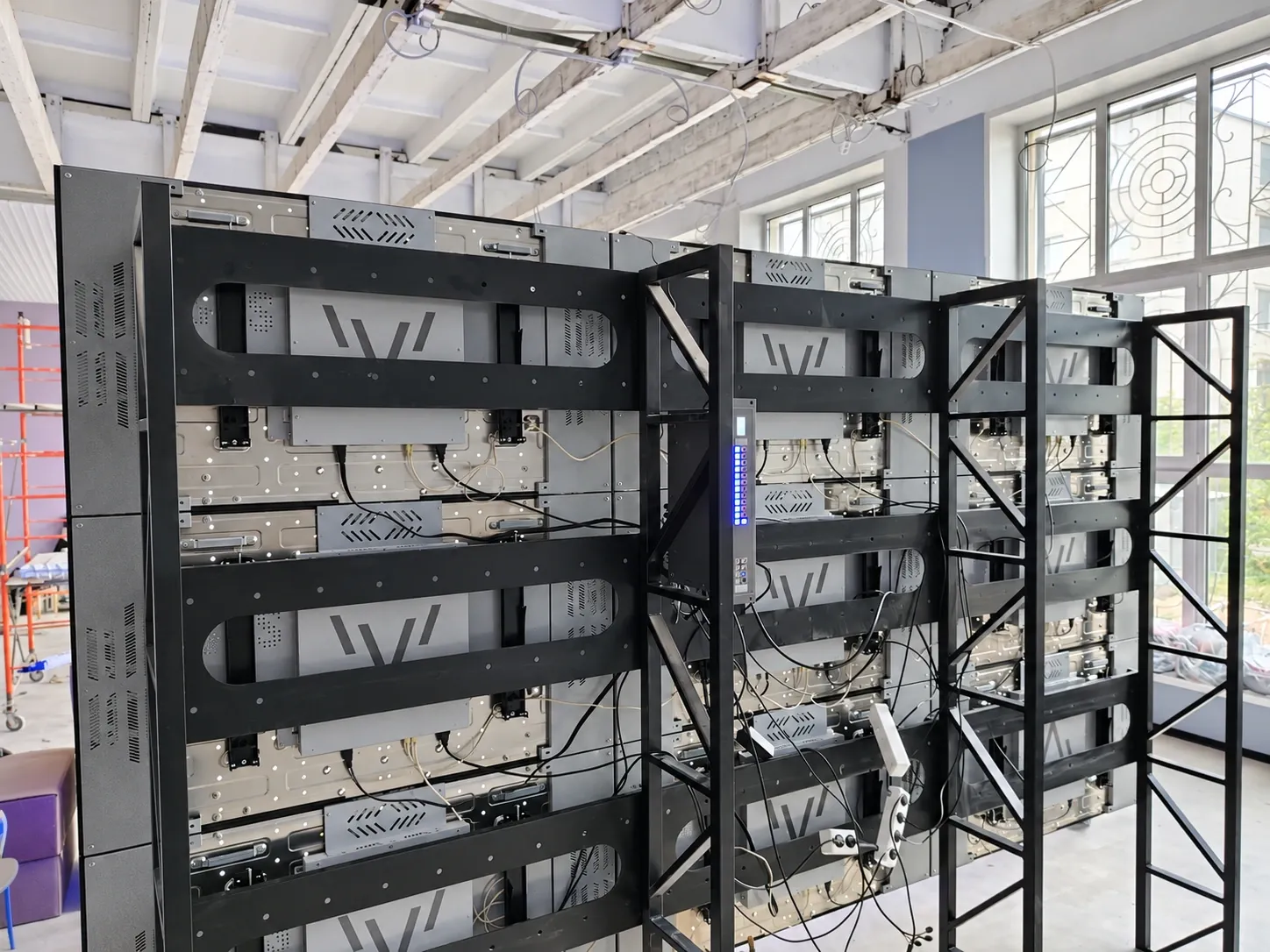
The panel array presents a single image across its tiled surface. A black lower surround connects the display visually to its supporting base.
Black steel uprights and cross-members carry the panels. Rear access exposes the panel housings, mounting arrangement and existing signal and power connections.
A control unit is mounted within the rear structure. Perforated black covers provide a finished enclosure while retaining access to the installation.
Described from what the photographs show; makes and models are not named. Equipment for a new room is selected for its own brief.
Multiple display panels arranged as one large image surface.
Uprights, cross-members and floor supports behind the panels.
Rear-mounted controller with illuminated controls.
Visible signal and power connections at the rear of the array.
Black cover panels around the rear installation.
Select a view to see it in full. Photographs are retouched project photographs; a reconstructed view is marked as such.
The video wall forms a prominent presentation point within the college room. Its tiled display, independent support frame and rear enclosure bring the image surface and service area into one installation.
A bigger picture, planned down to the pixel.
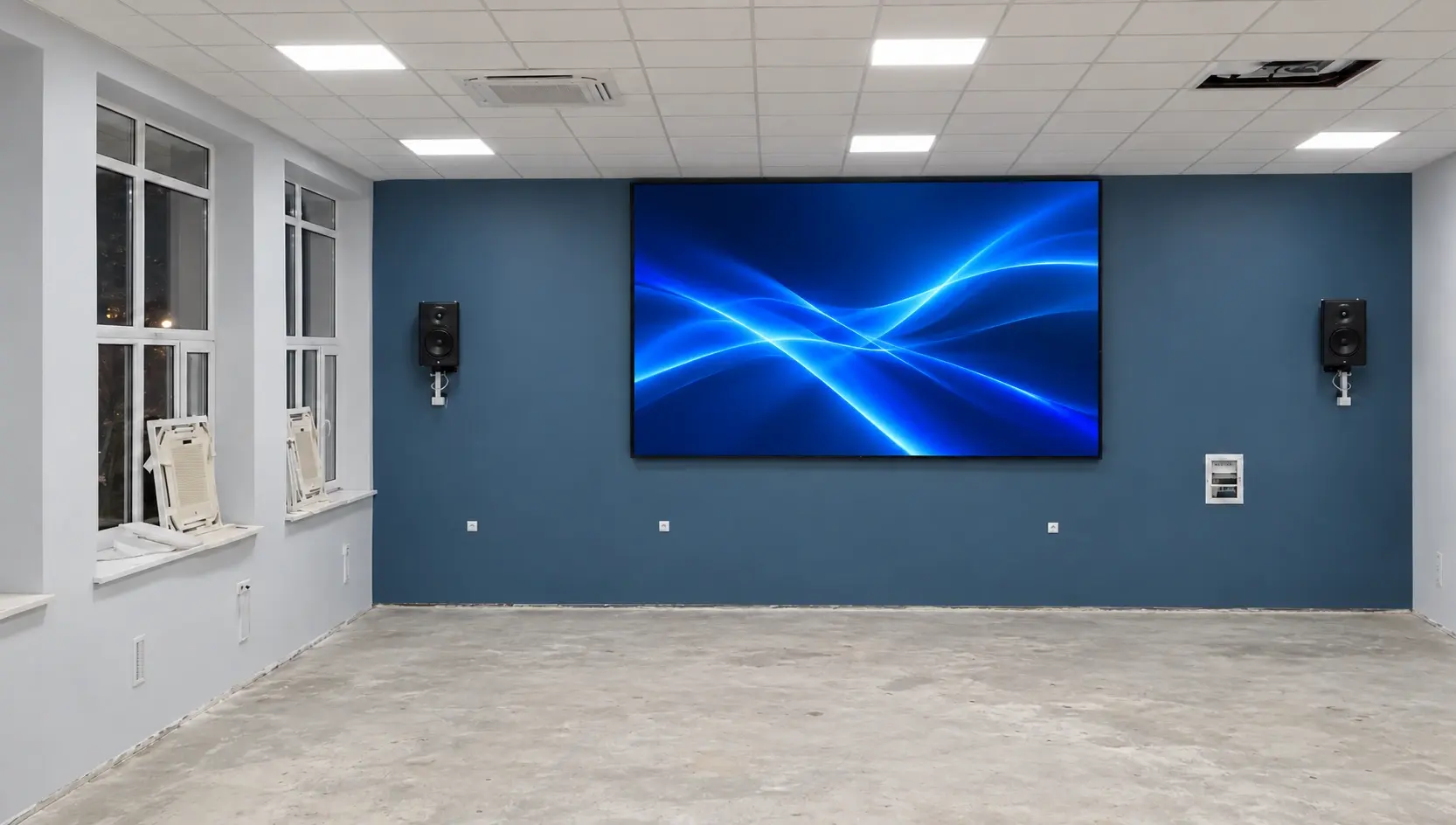
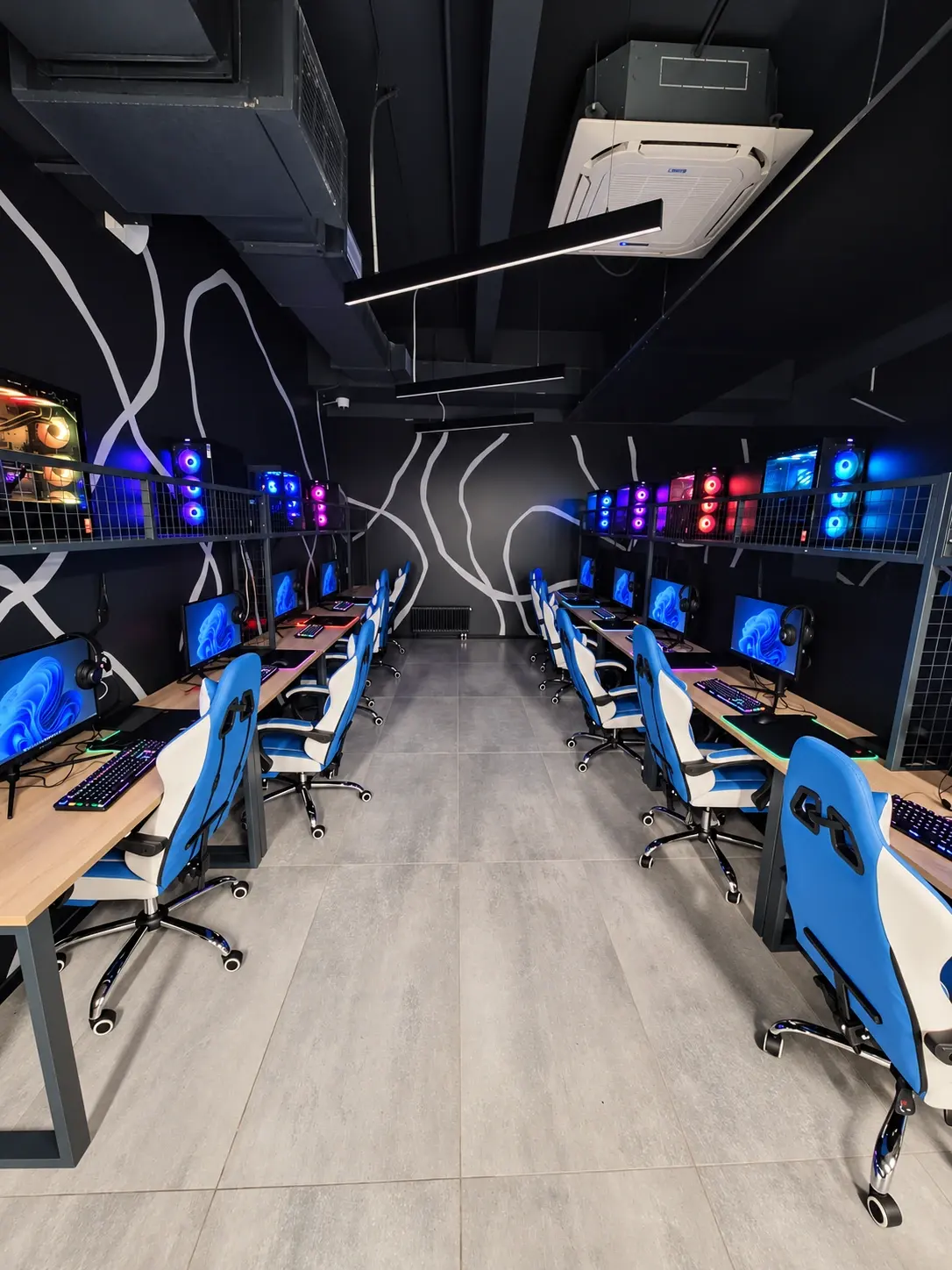
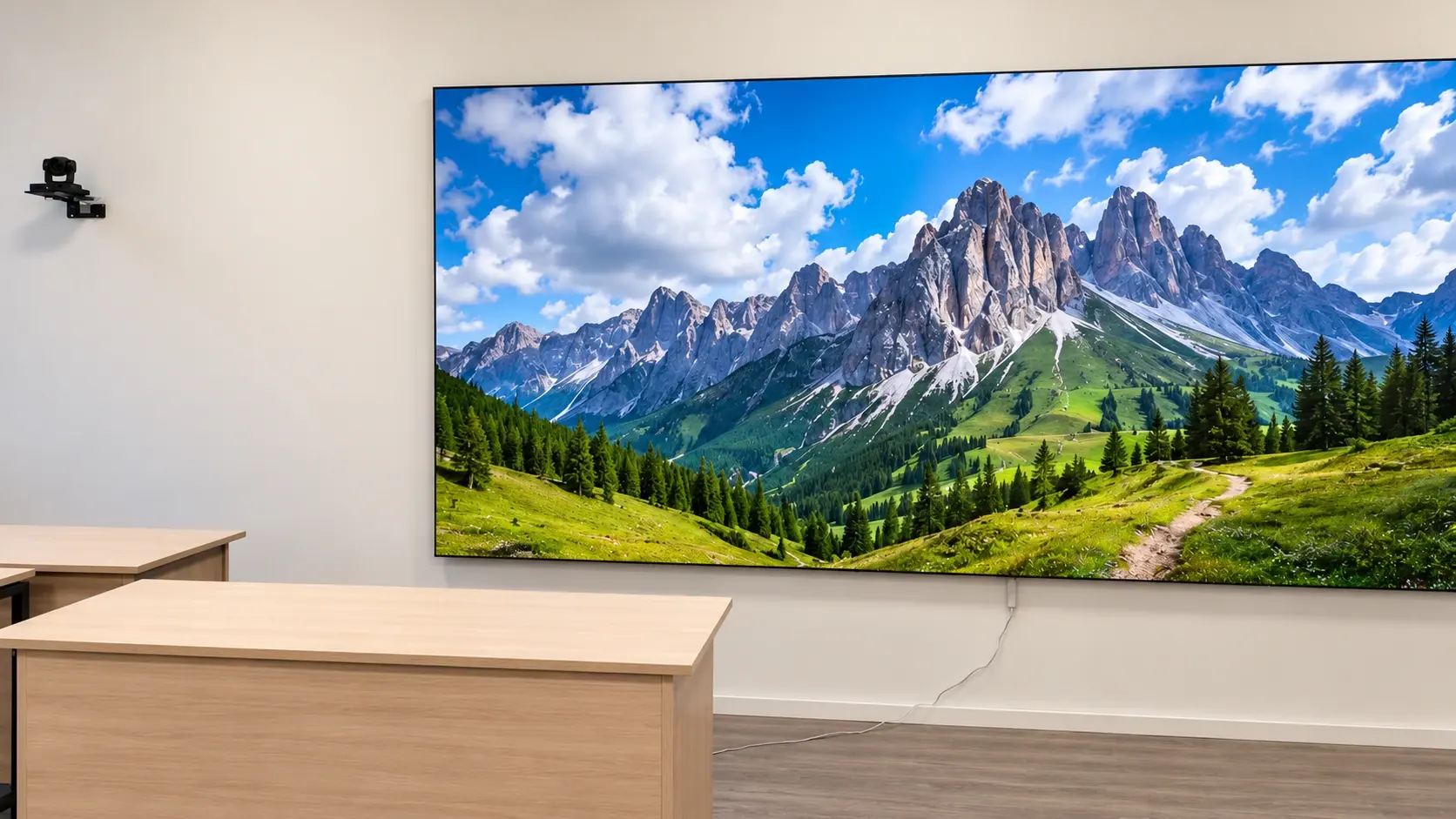
Share your room, how it will be used and what has to be on screen. We will come back with the engineering questions that matter for your space.